
What is Page Speed and How to Improve It?
Page speed is not a technical detail. It is a revenue lever. If your site loads slowly, users bounce, conversions drop, and Google quietly pushes you down the rankings. This guide explains what page speed actually means, why it matters for SEO and conversions, and how to improve it without breaking your site.
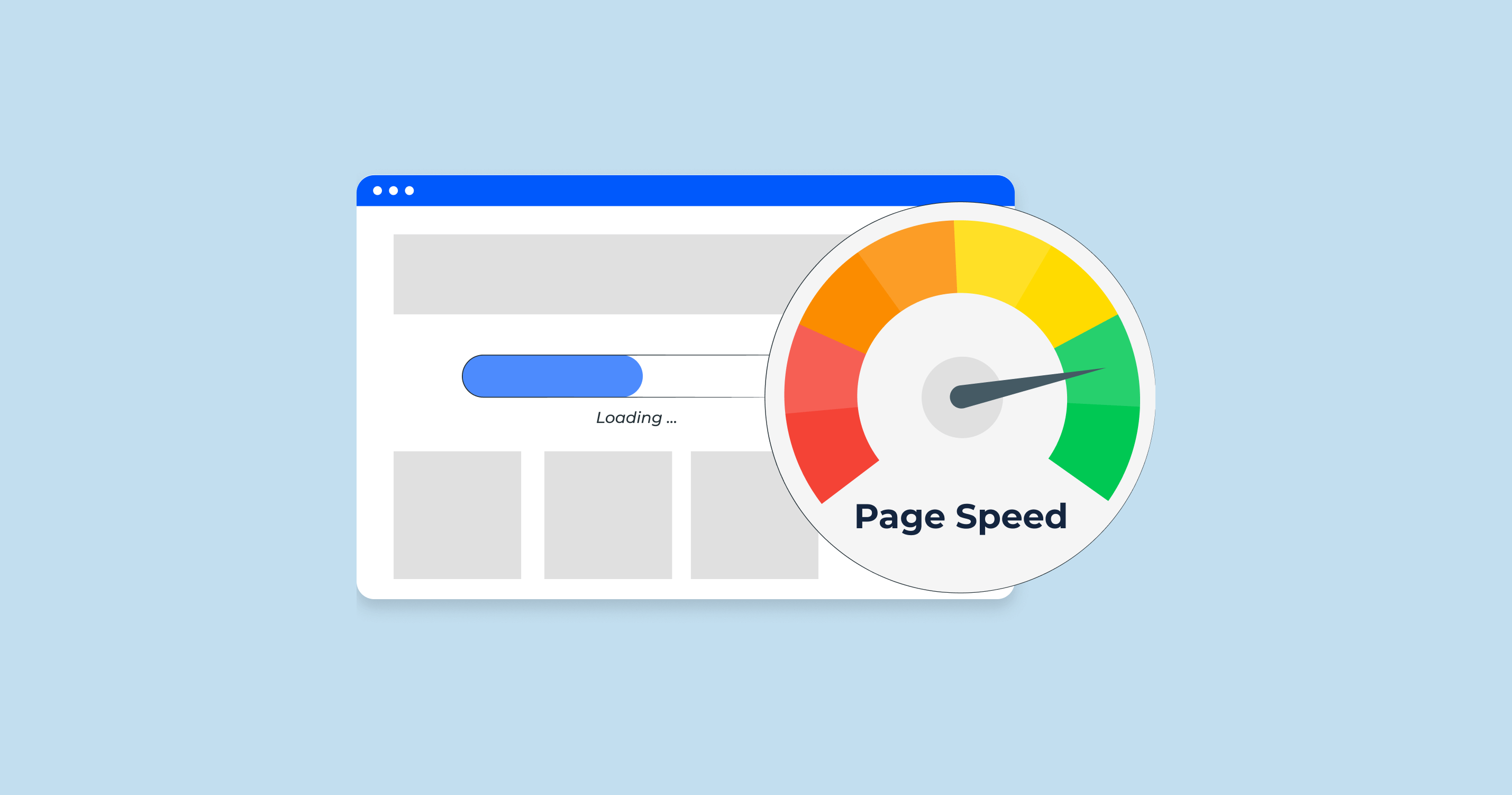
Page speed refers to how quickly a web page loads and becomes usable for a visitor.
Not just when something appears.
When it is usable.
Google now evaluates performance using real user experience metrics, not lab fantasies.
According to Google, page speed directly affects rankings, engagement, and conversion behavior.
Authority source: https://developers.google.co.....experience
If your site feels slow, it is slow. Google agrees.
Why Page Speed Matters for SEO and Revenue
Slow sites do not just annoy users.
They bleed money.
The data is brutal
Google research shows that as page load time goes from 1 second to 3 seconds, bounce rates increase by 32 percent.
At 5 seconds, bounce rates jump by over 90 percent.
Authority source: https://www.thinkwithgoogle......oogle.com/
This affects three things immediately:
• Search rankings
• Conversion rates
• Brand trust
A slow site tells users and search engines the same thing:
“This experience is not a priority.”
How Google Measures Page Speed Today
Google does not rely on one metric.
It uses Core Web Vitals.
The three key metrics
Largest Contentful Paint (LCP)
Measures how fast the main content loads.
Target: under 2.5 seconds
Interaction to Next Paint (INP)
Measures responsiveness when users interact.
Target: under 200 milliseconds
Cumulative Layout Shift (CLS)
Measures visual stability.
Target: under 0.1
These are confirmed ranking signals.
Authority source: https://web.dev/vitals/
If you ignore these, SEO becomes harder and more expensive.
Common Causes of Slow Page Speed
Most slow sites share the same problems.
Heavy images
Uncompressed images are the number one speed killer.
Bloated code
Themes, plugins, and scripts stack up fast.
Poor hosting
Cheap hosting equals slow response times.
No caching
Every visit becomes a full reload.
Third-party scripts
Analytics, chat widgets, and trackers quietly slow everything down.
Speed issues are rarely mysterious.
They are neglected.
How to Test Your Page Speed Properly
Do not guess.
Measure.
Tools that actually matter
Google PageSpeed Insights
Uses real user data and lab testing
Authority source: https://pagespeed.web.dev/
Google Search Console
Shows Core Web Vitals performance at scale
Authority source: https://search.google.com/se.....ch-console
Lighthouse
Diagnoses performance, accessibility, and best practices
If your score looks good but users complain, trust the users.
How to Improve Page Speed Without Breaking Your Site
This is where most people mess up.
Speed optimization should be strategic, not destructive.
Optimize images first
• Use WebP or AVIF formats
• Compress aggressively without visual loss
• Load images lazily
This alone can cut load time dramatically.
Clean up unused scripts
• Remove unused plugins
• Delay non-essential JavaScript
• Load third-party tools asynchronously
Less code equals less waiting.
Enable caching
• Browser caching
• Server-side caching
• CDN caching
Caching turns repeat visits into near-instant loads.
Upgrade hosting if needed
Shared hosting is not built for growth.
Fast sites need fast servers.
Google confirms server response time directly impacts performance metrics.
Authority source: https://developers.google.co.....hts/Server
Fix layout shifts
• Set image dimensions
• Avoid injecting content above the fold
• Stabilize fonts
Nothing kills trust faster than a page jumping around.
Page Speed and Conversions Are Directly Connected
This is not theoretical.
A study by Deloitte found that improving site speed by just 0.1 seconds led to measurable increases in conversion rates and engagement.
Authority source: https://www.deloitte.com/
Faster pages feel more premium.
Premium experiences convert better.
Page Speed Is a Competitive Advantage
Most competitors are slow.
Not a little slow. Painfully slow.
That means page speed is one of the few advantages you can still control.
Faster site means:
• Better SEO
• Lower bounce rates
• Higher conversions
• Stronger brand perception
Speed compounds quietly.
Slowness compounds losses.
Frequently Asked Questions
Read more
How To Optimize A Google Business Listing
Most Google Business listings exist. Very few perform. If your profile isn’t driving calls, direction requests, or real leads, it’s not optimized — it’s just indexed. This guide breaks down exactly how to optimize your Google Business listing so it shows up, stands out, and converts.

What are the Best AI Marketing Tools in 2026?
AI marketing tools are everywhere, but most businesses are still overwhelmed, underperforming, or using them wrong. In 2026, the winners won’t be the companies using the most AI tools — they’ll be the ones using the right tools with clear strategy. This guide breaks down the AI marketing tools that actually matter and how to use them intelligently.
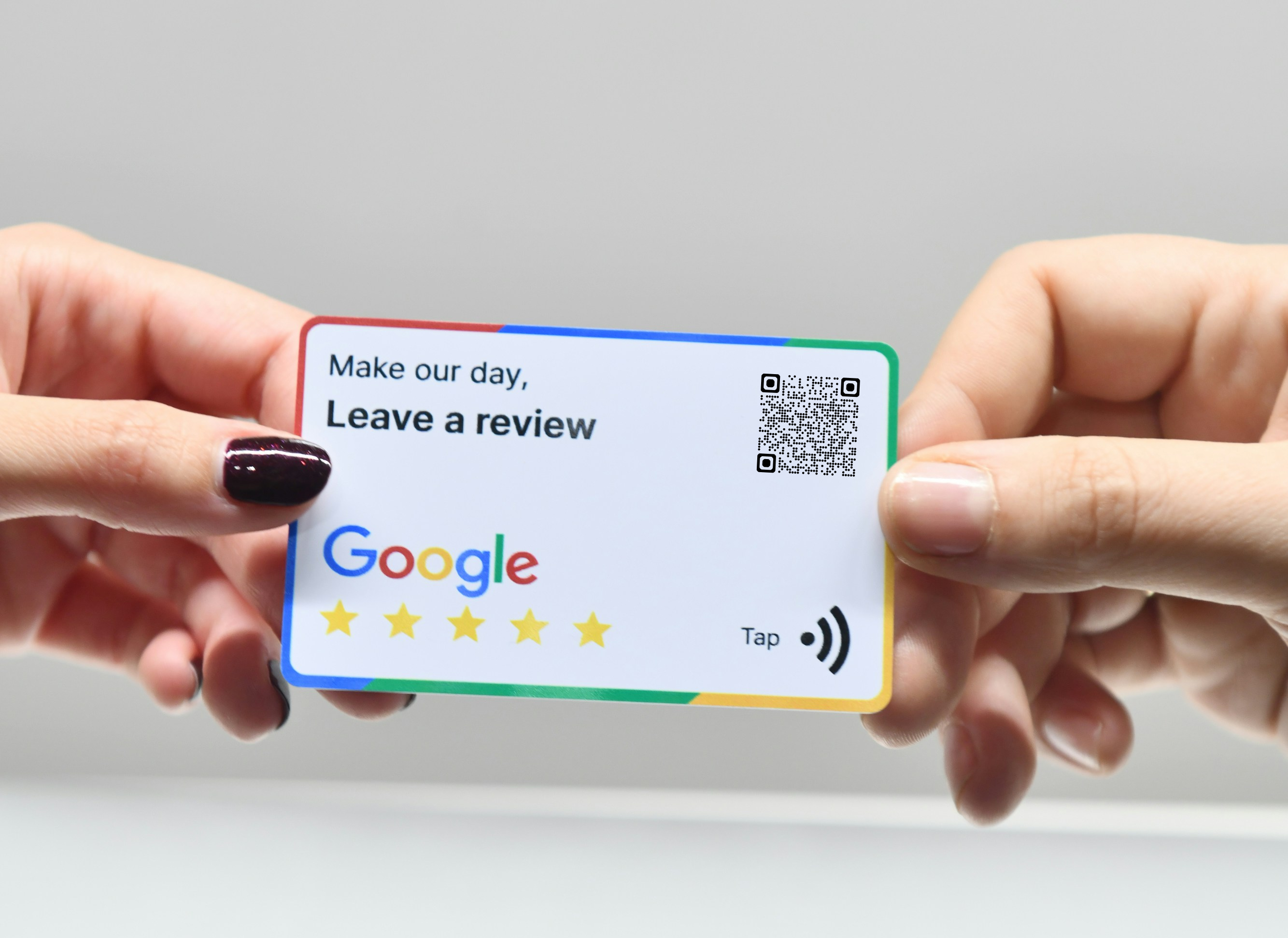
How to Get More Google Reviews: 7 Proven Tips
Google reviews are not just social proof. They influence rankings, click-through rates, and buying decisions before anyone visits your website. If reviews are coming in slowly or not at all, the problem is rarely your service. It’s your system. Here are seven proven ways to get more Google reviews without being awkward or spammy.