
Rapid URL Indexer for Local SEO: A Detailed Analysis
Waiting for Google to index your new location pages and citations can take weeks. We analyze how Rapid URL Indexer speeds up this process to boost local visibility and map pack rankings faster.

If you manage Local SEO for a startup or a brick-and-mortar business, you know the frustration. You spend hours building high-quality citations, creating location-specific landing pages, and earning backlinks from local directories. You check Google Search Console a week later, and you are greeted with the dreaded status: "Crawled - currently not indexed."
Basically, Google knows your page exists, but it does not think it is important enough to add to its library yet. For Local SEO, this is a disaster. Your "Best Coffee Shop in [City]" page cannot rank in the Local Pack if it is not in the index. This delay kills momentum. This is where tools like Rapid URL Indexer claim to bridge the gap, promising to force Google to take notice of your assets immediately rather than waiting for the spiders to get around to it.
Source: Google Search Console docume.....us reports
What Is Rapid URL Indexer?
Rapid URL Indexer is a specialized SaaS tool designed to automate and expedite the indexing process. Unlike the standard "Request Indexing" button in Google Search Console—which is manual, has daily limits, and only works for sites you own—this tool allows you to submit bulk URLs from any domain.
The tool works by sending multiple signals to Google (and other search engines) that a page exists and needs attention. It is particularly popular among SEOs who build backlinks or citations on third-party sites (like Yelp, Yellow Pages, or niche directories) where they do not have Search Console access. You upload a list of links, pay a small credit fee per URL, and the tool pings the search engines until the page is indexed.
Source: Rapid URL Indexer's official.....ing method
Why Speed Matters Specifically for Local Search
In traditional SEO, a slow rollout is sometimes fine. In Local SEO, speed is a competitive advantage. Local rankings are heavily influenced by "prominence" and "relevance." Citations (mentions of your Name, Address, and Phone number) validate this data.
If you launch a new branch and build 50 citations, but Google only indexes 5 of them, your "prominence" score remains low. The sooner those 45 other citations get indexed, the sooner Google trusts your business location, and the sooner you pop up in the Map Pack. Using an indexing tool compresses this timeline from months to days, allowing you to see the ROI of your citation building almost immediately.
Source: Moz's guide on the importanc..... citations
Strategic Use Cases: What to Index
We do not recommend throwing every single low-quality link into an indexer. Google is getting smarter at ignoring spam. However, for a legitimate business, there are three high-value buckets where we recommend using Rapid URL Indexer:
- Orphaned Citations: High-quality directory listings that are stuck in limbo.
- Press Releases: Local news mentions often drop off the index quickly; this keeps them alive.
- Location Pages: If you have a site with hundreds of location pages (e.g., "Plumber in Austin", "Plumber in Dallas"), Google often refuses to index them all at once due to "crawl budget." Forcing them through an indexer helps ensure complete coverage.
Source: Search Engine Journal on man.....arge sites
Is It Safe? (The White Hat vs. Grey Hat Debate)
Safety is the primary concern for any agency. Is this going to get my client penalized? Generally, Rapid URL Indexer is considered safe because it does not build links for you; it simply knocks on Google's door and asks them to look at links that already exist.
If the content on the page is high-quality and unique, Google will index it. If the page is spammy or thin content, Google might crawl it and still refuse to index it (or de-index it later). The tool is merely a messenger. The risk lies in the quality of the pages you are submitting, not the submission method itself. Always ensure your location pages have unique, helpful content before trying to force them into the index.
Frequently Asked Questions
Read more
How To Optimize A Google Business Listing
Most Google Business listings exist. Very few perform. If your profile isn’t driving calls, direction requests, or real leads, it’s not optimized — it’s just indexed. This guide breaks down exactly how to optimize your Google Business listing so it shows up, stands out, and converts.
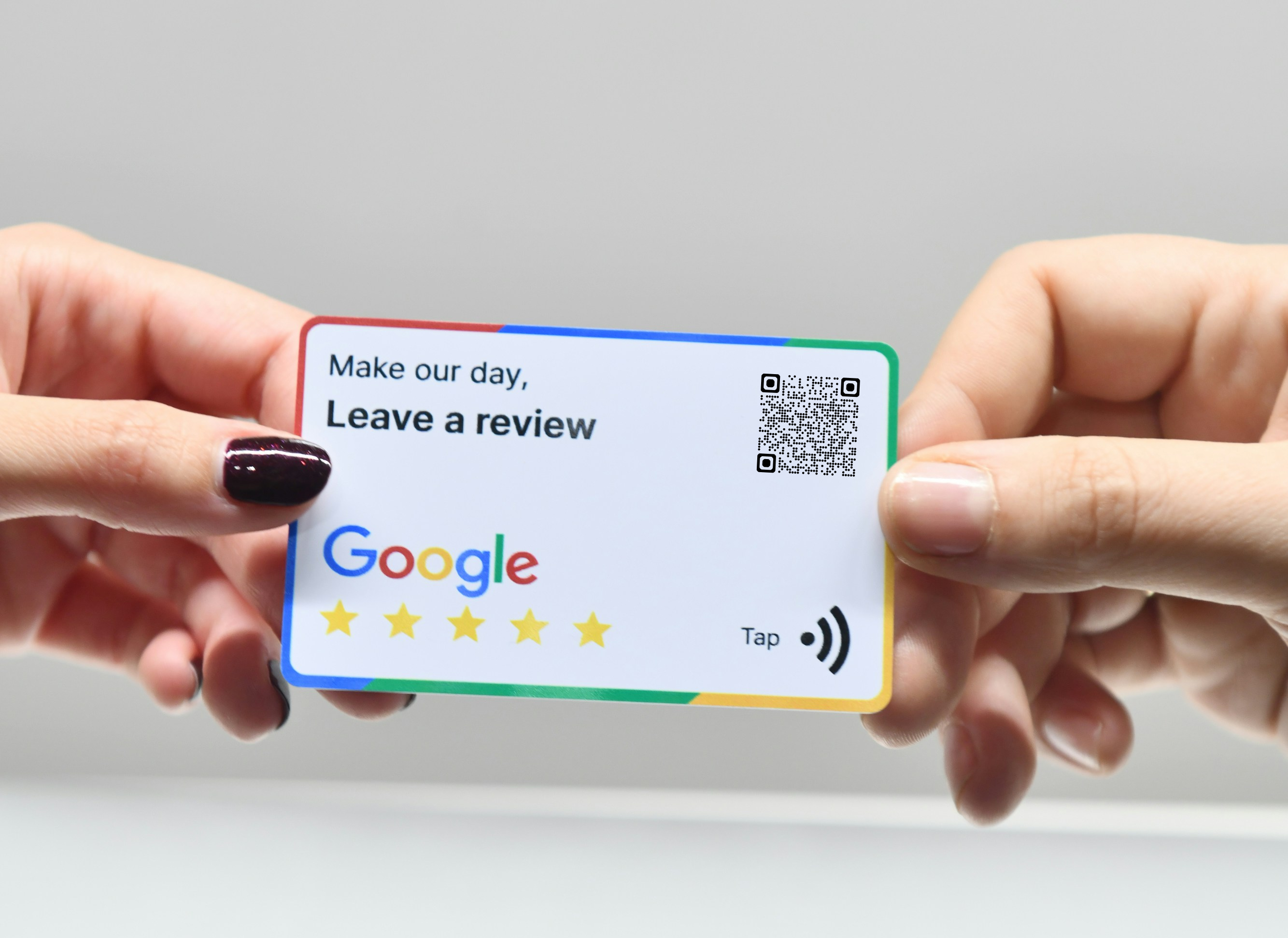
How to Get More Google Reviews: 7 Proven Tips
Google reviews are not just social proof. They influence rankings, click-through rates, and buying decisions before anyone visits your website. If reviews are coming in slowly or not at all, the problem is rarely your service. It’s your system. Here are seven proven ways to get more Google reviews without being awkward or spammy.
Differences Between B2B SEO and B2C SEO
Understanding the nuanced differences between B2B and B2C SEO is critical for any growth strategy. Learn how target audiences, search intent, and conversion funnels dictate your path to the first page.