
How to Increase Website Authority? 6 Actionable Tips
Website authority isn’t about vanity metrics or random backlinks. It’s about trust, relevance, and signals Google already proven humans use to decide what deserves ranking. This post breaks down six real actions that increase authority — not just visibility — and explains how each one drives quality traffic and measurable business outcomes.

You can pour time into content and backlinks and still see flat rankings, minimal traffic growth, and low SERP presence.
That’s because website authority isn’t earned by effort alone — it’s earned through purposeful signals that search engines use to assess trustworthiness and relevance.
If you’re frustrated with rankings that aren’t improving, the problem might not be traffic, keywords, or even content volume. It might be authority signals.
Authority is what makes a 1,000-word post outrank a 3,000-word post. It’s what lets a page stay stable after an algorithm shift. It’s not luck — it’s signals.
Here’s how to build them.
1. Earn Backlinks That Actually Mean Something
Backlinks used to be a numbers game. Not anymore.
Search engines prioritize quality over quantity. A handful of links from relevant, trustworthy sites will beat thousands of weak links.
Moz’s research on backlink value clearly shows that domain relevance and link context matter more than sheer volume.
Source: https://moz.com/
A couple of practical ways to earn meaningful backlinks:
- Guest posts on reputable industry blogs
- Data-driven studies that others reference
- Thought leadership pieces that naturally attract links
- Strategic partnerships and co-created content
Avoid link farms, low-quality directories, and paid link schemes. Those hurt more than they help.
Authority isn’t about volume. It’s about association.
2. Provide Uniquely Valuable Content That Solves Real Problems
Content is not just words on a page.
It’s answers customers are currently searching for.
Google’s own guidance on content quality emphasizes that pages perform best when they align with user intent and deliver actual value beyond shallow summaries.
Source: https://developers.google.com/search/docs/basics/creating-helpful-content
That means:
- Deep, actionable articles
- Case studies with real numbers
- How-to content that people reference
- Evergreen resources that keep generating traffic
The goal is to become the resource people trust, reference, and link to.
If your content solves a problem better than others, authority builds organically.
3. Improve Technical SEO and Site Performance
Technical issues don’t just hurt rankings.
They hurt trust.
Google has repeatedly stated that performance and accessibility are ranking factors — not optional features.
Source: https://web.dev/vitals/
This includes:
- Fast page load speeds
- Mobile-first design
- Structured data markup
- Clean crawl-ability (no broken pages)
When your site performs well technically, users stay longer, bounce rates drop, and authority signals improve.
A slow, buggy, or poorly structured website undermines every other effort.
4. Build a Strong Internal Linking Structure
Internal links are one of the most underrated authority builders.
They help search engines understand:
- Page relationships
- Content hierarchy
- Topic clusters
Google’s own documentation on site structure confirms that strategic internal linking helps with indexing and relevancy signals.
Source: https://developers.google.com/search/docs/advanced/guidelines/site-structure
A strong internal link structure:
- Guides users to related content
- Passes authority to priority pages
- Improves crawl efficiency
Think of it as telling search engines, “These pages are important. Treat them that way.”
5. Optimize for Search Intent Across All Content
Authority isn’t just about being seen.
It’s about giving the right answers.
When content matches what users actually want at that moment, search engines reward it.
Google’s search quality guidelines and RankBrain insights emphasize search intent as a critical relevance signal.
Source: https://support.google.com/w.....websearch/
There are three common intent types:
Informational: Users looking for answers
Navigational: Users looking for a specific brand or page
Transactional: Users ready to buy or convert
Matching content to intent (not keywords alone) increases engagement, rankings, and authority.
6. Leverage Social Proof, Reviews, and Brand Mentions
Search engines care about signals humans trust.
If users talk about your brand, link to you, review you, or reference your content, that amplifies authority.
BrightLocal’s research shows that online reviews significantly influence both customer trust and search performance.
Source: https://www.brightlocal.com/
This means:
- Getting reviews on Google Business Profile
- Encouraging mentions on industry sites
- Highlighting testimonials on high-visibility pages
Social proof isn’t just persuasion psychology — it’s an authority signal.
Frequently Asked Questions
Read more
How To Optimize A Google Business Listing
Most Google Business listings exist. Very few perform. If your profile isn’t driving calls, direction requests, or real leads, it’s not optimized — it’s just indexed. This guide breaks down exactly how to optimize your Google Business listing so it shows up, stands out, and converts.

What are the Best AI Marketing Tools in 2026?
AI marketing tools are everywhere, but most businesses are still overwhelmed, underperforming, or using them wrong. In 2026, the winners won’t be the companies using the most AI tools — they’ll be the ones using the right tools with clear strategy. This guide breaks down the AI marketing tools that actually matter and how to use them intelligently.
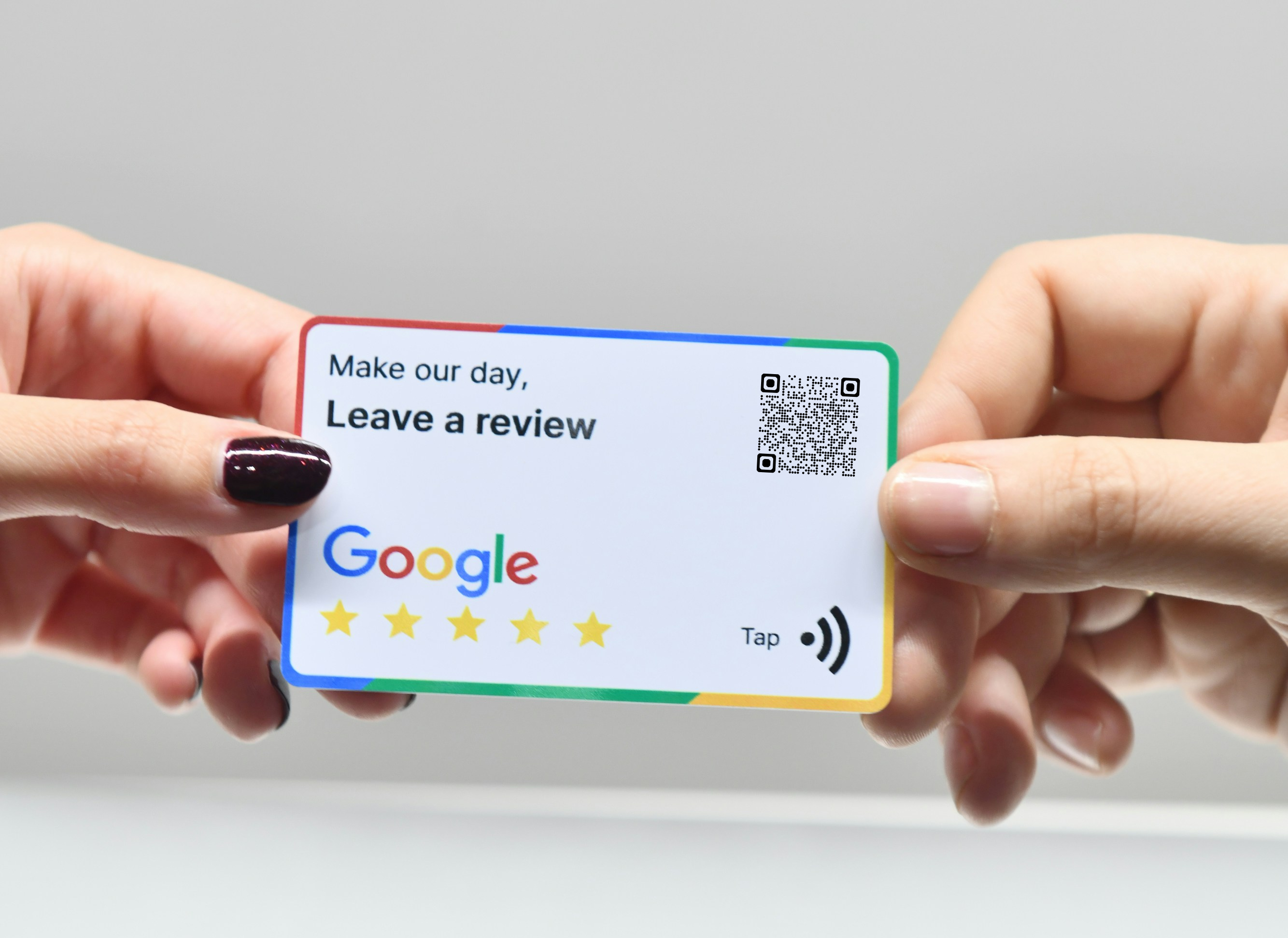
How to Get More Google Reviews: 7 Proven Tips
Google reviews are not just social proof. They influence rankings, click-through rates, and buying decisions before anyone visits your website. If reviews are coming in slowly or not at all, the problem is rarely your service. It’s your system. Here are seven proven ways to get more Google reviews without being awkward or spammy.